How to Choose the Best Online Slot for Your Budget and Play Style

CEO & Co-Founder
Quick Answer Box
How do you choose the best slot? Start with three numbers: RTP above 96%, a volatility level that matches your bankroll and temperament, and a maximum win that excites you. Then check the win mechanic (paylines, ways to win, cluster pays), evaluate the bonus features, verify the provider's reputation, and always try the free demo before committing real money. There is no single "best" slot — the best slot is the one that fits your budget, your risk tolerance, and the type of experience you want. This guide walks you through every factor in order of importance.
Why Does Slot Selection Actually Matter?
Most players pick slots based on theme, thumbnail artwork, or whatever happens to be promoted on the casino homepage. That approach is fine for casual entertainment, but it ignores the factors that determine whether you enjoy your session, how long your bankroll lasts, and what kind of wins you can realistically expect.
Two slots can look equally appealing on the surface — both have polished graphics, interesting themes, and bonus features — but one has a 96.5% RTP with medium volatility, while the other has a 92% RTP with extreme volatility. The first game returns more to players over time and does so in a balanced pattern. The second takes a significantly larger cut and delivers it through brutal variance. The experience of playing them is radically different, and the second game will drain most bankrolls much faster.
Slot selection is the one thing in gambling that is entirely within your control. You cannot influence the random number generator. You cannot make a bonus feature trigger sooner. But you can choose to play games that give you better mathematical odds, match your risk tolerance, and suit the size of your bankroll. That choice is the closest thing to "strategy" that exists in slot play.
This is Step 4 — the final step — in our learning path. If you have read how to read a paytable, understood what RTP means, and learned how volatility works, you now have every tool you need to make informed slot choices. This guide pulls it all together into one decision framework.
What Should You Check First: RTP or Volatility?
Check RTP first. Always.
RTP is the non-negotiable foundation of slot selection. It tells you what percentage of all money wagered the game is designed to return to players over the long term. A higher RTP means a lower house edge, which means less money taken from you per spin.
As a baseline, look for slots with an RTP of 96% or above. Below 94% should be a red flag unless you have a specific reason for playing that game (such as a jackpot component that is funded by the lower base RTP).
Once you have confirmed the RTP is acceptable, then evaluate volatility. Volatility is a preference — it describes how the returns are distributed, not how much is returned. Some players prefer steady small wins (low volatility). Others prefer rare massive payouts (high volatility). Neither is objectively better; the right choice depends on your bankroll size and your tolerance for losing streaks.
The worst mistake is choosing a slot with low RTP and high volatility. You are paying a steep mathematical price AND experiencing brutal variance. The best combination for most players is high RTP with whichever volatility matches their style.
Remember to verify the RTP in the actual game's paytable while playing in real-money mode. Many developers release games with adjustable RTP settings, meaning the same game can have different RTP at different casinos. Demo mode typically shows the highest version.
How Does the Win Mechanic Affect Your Experience?
The win mechanic — how winning combinations are formed — fundamentally shapes how a slot feels to play. Understanding the main types helps you pick games that match your preferences.
Paylines
Traditional payline slots require matching symbols to land on specific lines across the reels. A 5×3 game might have 10, 20, or 25 fixed paylines. Wins only count on active lines. These games tend to be straightforward and easy to read, making them excellent for beginners. Our reels and paylines guide covers this mechanic in detail.
Ways to Win
Instead of fixed lines, these games pay for matching symbols on adjacent reels regardless of position. A 5×3 grid with "243 ways" pays whenever three or more identical symbols appear on consecutive reels from left to right. Win Both Ways variants pay from right to left as well, doubling the opportunities. Ways-to-win games produce more frequent wins than equivalent payline games, but individual payouts tend to be smaller.
Megaways
The Megaways engine uses variable reel sizes — each reel shows a different number of symbols on every spin, creating anywhere from a few hundred to 117,649 or more ways to win. This dynamic structure naturally creates high volatility because the number of ways changes constantly. Big wins require large reels on many positions simultaneously, which is rare.
Cluster Pays
Winning clusters are formed when groups of matching symbols connect horizontally and vertically, usually requiring five or more connected symbols. There are no paylines or ways to win. Cluster pays games are often paired with avalanche/cascade mechanics, where winning symbols are removed and new ones drop in, potentially creating chain reactions.
Scatter Pays
In scatter pays games, symbols pay based on quantity alone — land eight or more matching symbols anywhere on the grid and you win. No adjacency or reel position required. These games tend to use tumble mechanics and are associated with high variance.
The takeaway: If you want simplicity and easy-to-follow action, paylines or ways to win are your best bet. If you want chain reactions and cascading excitement, cluster pays and scatter pays deliver that. If you want extreme variance with a dynamic grid, Megaways is the format. Match the mechanic to the type of excitement you enjoy.
Which Bonus Features Should You Look For?
Bonus features are where slot games differentiate themselves. They are also where most of the win potential lives, especially in high-volatility games. Here are the features that matter most and how they affect your selection.
Free Spins
The most common bonus feature. Landing a set number of scatter symbols triggers a round of free spins, often with enhanced mechanics like multipliers, extra wilds, or expanded reels. The quality of a free spins round varies enormously — some are essentially the base game with minor tweaks, while others are transformative with progressive multipliers that build with every spin. Check the paytable to understand what the free spins actually change.
Bonus Buy
Many modern slots offer a bonus buy option that lets you pay a premium (usually 60x to 300x your bet) to skip the base game and enter the bonus directly. This is popular with players who find the base game grind tedious, but it comes at a cost — the buy price is set high enough that it is not automatically profitable. Some games show a different RTP for the bonus buy versus organic triggers.
Multipliers
Multipliers increase the value of your wins by a factor. A 5x multiplier turns a 10x win into a 50x win. Progressive multipliers that increase with every cascade or every spin within a bonus round are the engine behind most massive slot wins. If big win potential matters to you, look for games where multipliers stack or accumulate rather than applying once.
Hold and Win / Respins
These features lock certain symbols in place and respin the remaining reels, often building toward a larger payout. They typically appear in games with coin collection mechanics and can range from simple (three respins) to complex (progressive collection across multiple rounds).
What to prioritise: The single most important thing is that the bonus features interest you. If a game's bonus round bores you, you will not enjoy playing it regardless of the mathematics. Beyond personal taste, look for features that add genuine value — progressive multipliers, expanding mechanics, or multi-stage bonuses where the potential grows as you progress.
How Do You Match a Slot to Your Bankroll?
Your bankroll — the total amount you are prepared to spend in a session — should dictate both the volatility you choose and the bet size you play at. This is the most practical aspect of slot selection and the one most players get wrong.
The Spin Budget Rule
Divide your bankroll by the number of spins you want to play. This gives you your maximum bet size.
Low volatility: You need at least 50–100 spins. A £50 bankroll supports £0.50–£1.00 bets.
Medium volatility: You need at least 100–200 spins. A £50 bankroll supports £0.25–£0.50 bets.
High volatility: You need at least 200–300 spins. A £50 bankroll supports £0.15–£0.25 bets.
Extreme volatility: You need 300+ spins. A £50 bankroll supports £0.10–£0.15 bets.
These are not rigid rules — they are guidelines to ensure you give yourself enough runway to experience the game's features. If your bankroll is too small for the volatility level you want, either lower your bet size or choose a lower-volatility game. Never increase bet size to "chase" a bonus trigger.
Budget for Entertainment, Not Profit
The house edge means that, over time, slots cost money to play. The question is how much entertainment you get for that cost. A £50 session on a high-RTP, medium-volatility game might give you 90 minutes of engaging play with some exciting bonus rounds. The same £50 on a low-RTP, extreme-volatility game might last 10 minutes. Both cost £50, but the entertainment value is dramatically different.
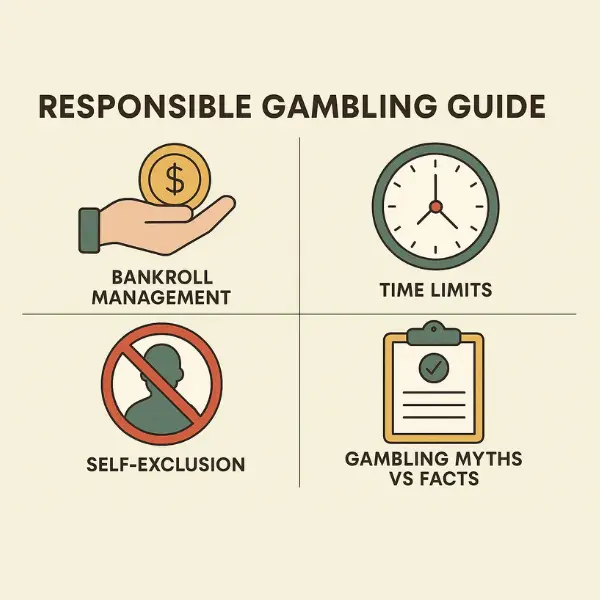
Our responsible gambling guide covers bankroll management in more detail, including session limits and loss limits.
Does the Game Provider Matter?
Yes — more than most players realise.
Different game studios have distinct design philosophies, mathematical approaches, and quality standards. Once you know which providers match your preferences, navigating the thousands of available slots becomes much easier.
Hacksaw Gaming — Known for high volatility, innovative features (DuelReels, reveal mechanics), and detailed paytable documentation with published hit frequencies. Strong RTP standards. Their "Le" series and Chaos Crew franchise are among the most popular high-volatility options.
Nolimit City — The extreme volatility specialists. Proprietary mechanics like xWays, xNudge, and xSplit create unique gameplay. Dark, edgy themes. Very high max win caps. Not for casual play.
Pragmatic Play — The largest library, spanning all volatility levels. Good production quality and wide availability. Their most mainstream titles (Gates of Olympus, Sweet Bonanza, Big Bass series) are among the most played slots globally.
Relax Gaming — Polished games with strong mechanics, often featuring player choice (like Iron Bank 2's dual base game mode). Good RTP standards and high max win potential.
BGaming — Excellent for provably fair games with high RTP. Strong low-to-medium volatility options. Popular in the crypto casino space.
Big Time Gaming — Creators of Megaways. High volatility, dynamic reel sizes, and some of the highest max win caps in the industry.
Chase the Scatter covers all these providers and more in our providers section. Reading provider pages is one of the fastest ways to find games that match your style.
Should You Always Try the Demo First?
Yes. This is one of the few pieces of genuinely universal advice in slot play.
Free demos let you experience the game's mechanics, pacing, sound design, and bonus features without risking money. More importantly, they let you feel the volatility — 50 demo spins on a high-volatility game will show you exactly how punishing the dry spells can be, which is information you cannot get from reading a review alone.
What to assess during a demo session:
Does the base game hold your attention? You will spend most of your time here.
How does the volatility feel? Are the dry spells tolerable or frustrating?
Do the bonus features excite you? If the bonus does not interest you in demo mode, it will not interest you in real-money mode.
Is the bet range suitable? Check that the minimum bet works for your bankroll.
Can you read the paytable clearly? If the game's rules confuse you in demo, they will confuse you when real money is on the line.
Chase the Scatter offers free demos on every slot in our library — no registration required.
How Do You Evaluate a Slot's Maximum Win Potential?
The maximum win (max win) is the highest possible payout a slot can deliver in a single round, usually expressed as a multiple of your bet. A 25,000x max win means a £1 bet could theoretically return £25,000 in a single bonus round.
Max win matters for two reasons:
It indicates volatility. As covered in our volatility guide, a higher max win generally correlates with higher variance. Games with max wins under 2,000x are typically low volatility. Games above 25,000x are typically extreme.
It sets realistic expectations. The max win is a theoretical ceiling, not a likely outcome. Most players will never hit the max win on most games. But the cap tells you what kind of results the game is designed to produce. A 5,000x max win game will never produce a 50,000x result, no matter how lucky you are. The game simply is not built for that.
When comparing similar games, the one with the higher max win is generally more volatile. Choose based on whether you want the possibility of a life-changing result (higher cap, lower probability) or more realistic, achievable big wins (lower cap, higher probability).
What Should You Look For in Slot Reviews?
Reading reviews before playing is one of the smartest habits a slot player can develop. But not all reviews are equally useful. Here is what to look for:
RTP confirmation — Does the review state the default RTP and note whether it is adjustable?
Volatility assessment — Is the volatility level clearly stated, ideally with context about how it feels in practice?
Feature breakdown — Does the review explain what each bonus does and how it is triggered?
Hit frequency — If available, this number tells you how often any win occurs, which is invaluable for managing expectations.
Honest evaluation — Does the review mention downsides, or does it read like marketing copy? Look for reviews that note when a game's base game is boring, when the bonus underdelivers, or when the RTP is below average.
Demo access — Can you play the game directly from the review page?
Every slot review on Chase the Scatter includes all of these elements, plus a scoring system across graphics, entertainment, innovation, and win potential. We also include free demo access directly on each review page.
A 10-Point Checklist for Choosing Any Slot
Use this before every new game:
Check the RTP — Is it 96% or above? If not, is there a good reason (jackpot contribution, unique mechanic)?
Check the volatility — Does it match your bankroll and your tolerance for dry spells?
Verify adjustable RTP — Is the casino running the highest RTP version? Check the in-game paytable while logged in.
Assess the win mechanic — Paylines, ways, clusters, scatter pays? Does the format appeal to you?
Evaluate the bonus features — Do they genuinely excite you? Are multipliers progressive or fixed?
Check the maximum win — Is the cap realistic for your expectations? Does it match the volatility?
Set your bet size — Does your bankroll support enough spins at this volatility level?
Research the provider — Is it a reputable studio with a track record of fair, well-designed games?
Read a review — Get a second opinion on the game's strengths and weaknesses.
Play the demo — Spin at least 50 free spins to feel the game before committing real money.
Recommended Slots for Practising Your Selection Skills
These demos are on Chase the Scatter. Each represents a different combination of RTP, volatility, and win mechanic — play them back-to-back using the 10-point checklist to practise making informed choices. No overlap with our paytable guide, RTP guide, or volatility guide recommendations.
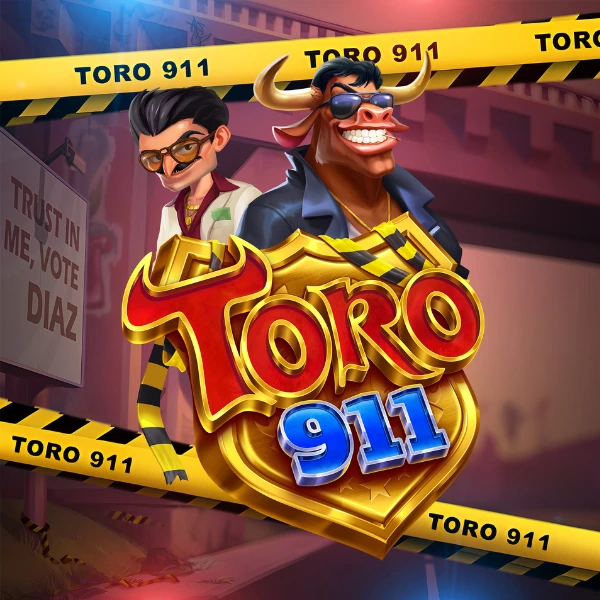
Toro 911 (Hacksaw Gaming) — High volatility, cluster pays, strong multiplier mechanics. Run it through the checklist: check the RTP, note the volatility, read the bonus rules, and assess whether the base game holds your attention. A good test of whether you enjoy high-volatility cluster play.
Anime Cosplay VS (Pragmatic Play) — High volatility from a mainstream provider. Compare the Pragmatic Play production style to Hacksaw Gaming — different aesthetic, different feel, similar volatility bracket. Practise evaluating provider style alongside mathematical metrics.
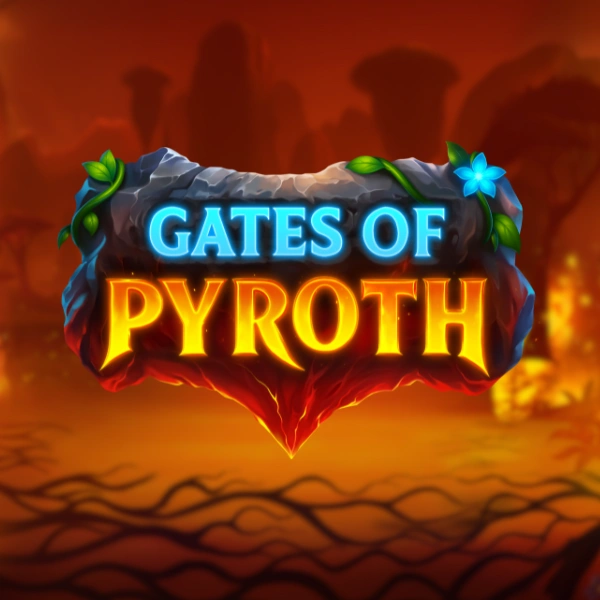
Gates of Pyroth (Pragmatic Play) — A multiplier collection mechanic where wilds store and grow multipliers above each reel. Medium-high volatility with a new twist on a familiar format. Good for evaluating innovative features within an established series framework.
Crescendo (ELK Studios) — 25,000x max win with ELK Studios' signature polished design. Run it against the checklist: check if the production quality and features justify the volatility level. Practise reading an unfamiliar paytable from a less-common provider.
Zombie Road (Peter & Sons) — Very high volatility with a 20,000x max win from a smaller studio. Good for practising the "research the provider" step — evaluate whether a lesser-known developer's game meets your standards for quality and fairness.
Recommended Slots

Frequently Asked Questions
Everything you need to know about this guide
About the Author
CEO & Co-Founder at Chase the Scatter
Former professional tennis player turned casino industry expert with over 10 years of experience in iGaming. Previously an operator at NOVOMATIC and Stanleybet Group, Borna now leads Chase the Scatter, delivering honest, data-driven slot reviews and expert gambling guides backed by real industry knowledge.