
Responsible Slot Selection: Play with Clarity
Maintaining a healthy relationship with gaming starts with informed choices. Our responsible gambling guides help you look past the immersive graphics to understand the psychological triggers of slot design. We teach you how to evaluate a game’s pace and volatility so you can choose titles that align with a safe, balanced entertainment budget.
By mastering Responsible Slot Selection, you prioritize your well-being over the "chase," ensuring that your time spent at the reels remains a safe and controlled activity.
Utilizing Casino Safety Tools & Limits
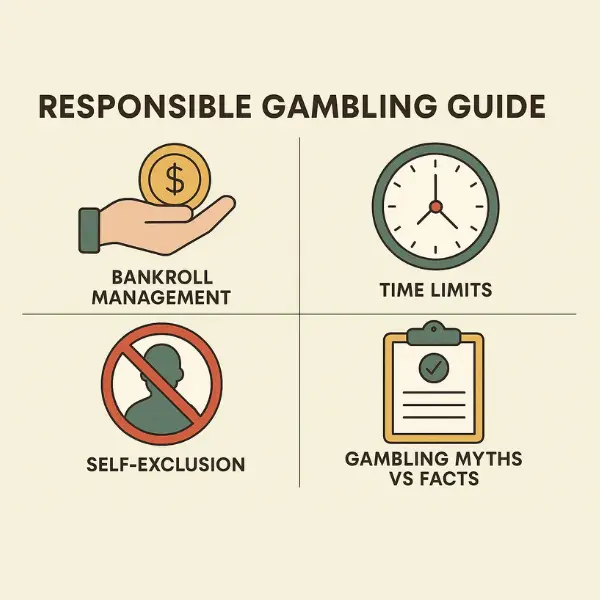
The most effective way to stay in control is to use the technology available to you. We provide actionable tutorials on setting deposit limits, loss limits, and session timers. Learn how these boundaries act as a safety net, preventing emotional decision-making during high-variance gameplay.
Our guides also explain the Self-Exclusion process and how to use "Cool-Off" periods effectively to maintain a sustainable relationship with online gaming.
Understanding Near-Misses and Design Traps
Knowledge is your best defense.
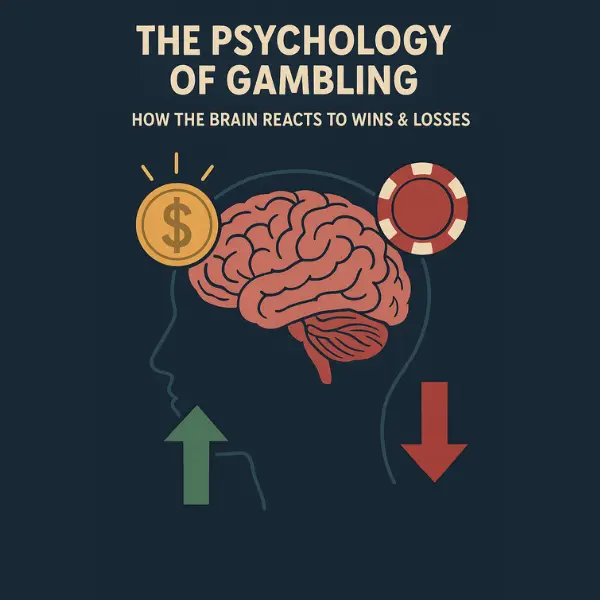
We dive into the behavioral science of slot machines, explaining mechanics like "Losses Disguised as Wins" (LDWs) and near-miss animations. Recognizing these design tactics helps you stay grounded and less susceptible to the cognitive biases that often lead to extended play sessions.
Recognizing Personal Red Flags
A key pillar of safe play is self-awareness. We highlight the warning signs of problem gambling, such as "chasing losses," neglecting personal responsibilities, or feeling the need to increase stakes to achieve the same level of excitement.
Our guides provide a self-assessment checklist to help you monitor your habits and identify when it might be time to take a break or seek professional support.
Accessing Professional Support & Resources
You never have to navigate the path alone.
Beyond gameplay advice, we provide a curated directory of global support organizations. Whether you need confidential counseling, financial advice regarding gambling debt, or community-led support groups, we connect you with the right experts to help you regain control.