The Psychology of Gambling: How the Brain Reacts to Wins & Losses

CEO & Co-Founder
Gambling is more than just spinning reels or placing bets — it’s a powerful interaction between game design, human emotion, and brain chemistry. Whether you’re winning big or hitting a losing streak, your brain reacts in ways that can keep you playing longer than you planned.
In this guide, we’ll break down the science behind gambling, explain why it feels so thrilling, and give you practical tips to keep your play fun, safe, and in control.
How the Brain Processes Gambling
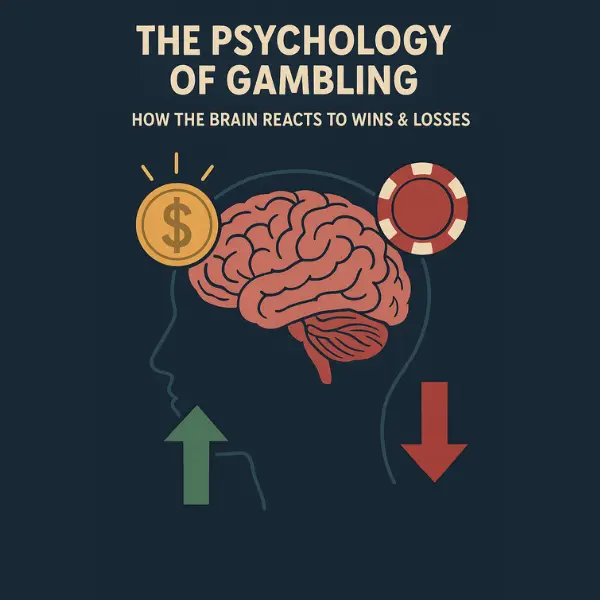
When you gamble, your brain activates the reward system — the same network that lights up when you eat your favorite food or hear a song you love. The key player here is dopamine, a chemical messenger that signals pleasure and motivation.
Anticipation is as powerful as the win – Studies show that your brain releases dopamine not just when you win, but even when you expect to win.
Random rewards keep you hooked – Because gambling outcomes are unpredictable, the “maybe this time” feeling drives repeat play more than predictable rewards ever could.
Small wins matter – Even tiny payouts trigger dopamine spikes, making you feel like you’re progressing even if you’re overall losing.
Why Wins Feel So Good
The “Near Miss” Effect
When you almost win — say, two jackpot symbols line up and the third just misses — your brain reacts as if you did win. This can lead you to play more, convinced that a big win is “close.”
The Big Win Rush
Large wins create a dopamine surge so strong that it becomes a memorable “high.” Your brain stores this as a peak experience, making you more likely to chase that feeling in future sessions.
Why Losses Hurt — and Why You Keep Playing
Losses trigger the brain’s stress response, increasing cortisol (the stress hormone) and feelings of frustration. For some players, this can lead to loss chasing — the urge to win back what’s been lost.
The Gambler’s Fallacy
Your brain is wired to spot patterns, but in gambling, each event is random. Believing a win is “due” after a losing streak can push you into spending more than intended.
Game Design & Psychological Triggers
Modern casino games — both online and offline — often use subtle psychological tactics:
Bright colors & sound effects to signal wins, even small ones.
Fast play cycles to keep you engaged and reduce decision time.
Bonus features that break up gameplay and create excitement spikes.
How to Stay in Control
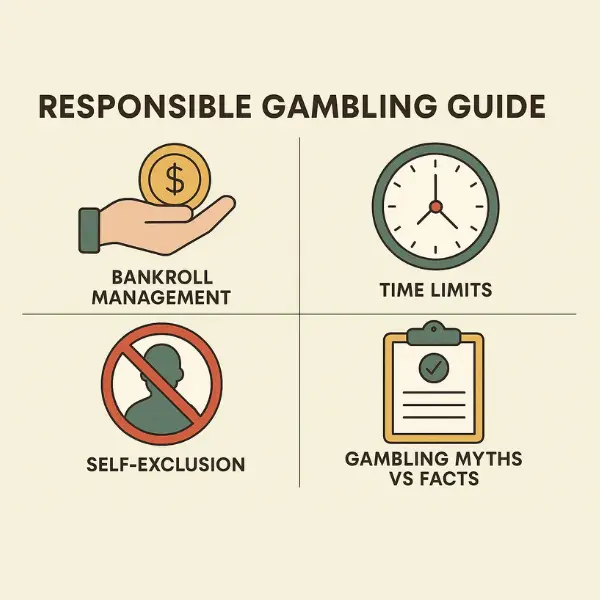
Understanding the psychology of gambling is your first defense against risky habits. Here’s how to apply that knowledge:
Set strict limits on both time and money before you start.
Recognize emotional triggers — avoid playing when bored, stressed, or upset.
Celebrate walking away after a win or when you’ve hit your limit.
Play for entertainment, not income — treat wins as a bonus, not a goal.
Gambling Psychology Myths vs Facts
Myth
Fact
“A big win is just around the corner.”
Gambling outcomes are random. Past results don’t influence future spins or bets.
“Near misses mean I’m getting closer to winning.”
Near misses are designed to feel like progress, but they have no impact on actual odds.
“If I play longer, my luck will balance out.”
This is the Gambler’s Fallacy — odds remain the same every round, no matter how long you play.
“Small wins mean I’m doing well overall.”
Small payouts can trigger dopamine, but they may still result in a net loss.
“I can outsmart the machine or game.”
Casino games are built with house edges. No strategy can guarantee long-term profit.
Final Thoughts
Your brain is wired to enjoy the thrill of gambling, but those same processes can work against you if you’re not careful. By knowing how wins, losses, and near misses affect you, you can stay in control and make gambling a fun, low-risk pastime.
If you ever feel gambling is affecting your life, organizations like GambleAware, GamCare, and Gamblers Anonymous offer free, confidential help.
Frequently Asked Questions
Everything you need to know about this guide
About the Author
CEO & Co-Founder at Chase the Scatter
Former professional tennis player turned casino industry expert with over 10 years of experience in iGaming. Previously an operator at NOVOMATIC and Stanleybet Group, Borna now leads Chase the Scatter, delivering honest, data-driven slot reviews and expert gambling guides backed by real industry knowledge.